
Does BPC-157 help for healing sports injuries?
Posted by Anthony Luke MD, MPH on April 20, 2026
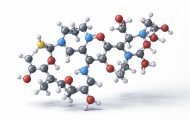
The Starting Line:
Does BPC-157 help you recover from tendon, ligament, muscle, or joint injuries?
BPC-157 is a peptide that has become popular for athletes as a method to speed healing. A recent systematic review found that most of the evidence comes from animal studies, NOT people. In rodent models, BPC-157 showed encouraging results for tendon, ligament, muscle, and bone healing, with better tissue repair and stronger healing in some studies. Researchers think it may help by improving blood vessel growth, lowering inflammation, and supporting other healing signals in the body. That is especially interesting for tissues like tendons and ligaments, which usually heal slowly because they do not have a great blood supply.
The problem is that human evidence is extremely limited. The review found only one small human study, where 7 of 12 patients with chronic knee pain reported relief for more than 6 months after an injection. So far there isn’t enough to know whether BPC-157 is truly effective or safe for athletes. It also has no FDA-approved use, and the FDA has warned about safety concerns with compounded BPC-157 products, including purity and peptide-related impurity issues. For competitive athletes, there is another major concern: BPC-157 is on the 2026 WADA Prohibited List, so it can create anti-doping problems.
The Finish Line:
BPC-157 shows some promise, but right now it is better described as experimental than proven. Athletes should be cautious, especially because the hype is ahead of the human data.
Comments
View Posts by Category